How to Tell If Your Water Needs Professional Treatment
If you notice water discoloration, bad taste, or odors, local service providers can assess and perform professional water treatment to improve water quality.
Understanding when your water needs professional treatment is an important step for property owners who want to ensure safe and clean water supply. Whether noticing changes in taste, smell, or appearance, recognizing these signs can help prevent potential health issues and protect your plumbing systems. If you're unsure about the quality of your water or experiencing any unusual symptoms, exploring this topic further can reveal practical reasons to seek expert assistance. Local service providers specializing in water treatment are equipped to assess your water's condition and recommend effective solutions, giving you peace of mind that your water is safe and reliable.
Property owners in the area often turn to professional water treatment services to address common concerns such as hard water buildup, foul odors, or discoloration. These issues can stem from various sources and may require specialized equipment and knowledge to resolve properly. Learning how to tell if your water needs professional treatment can help you identify the right time to reach out to experienced contractors who can evaluate your water quality and provide tailored treatment options. Keep reading to discover practical tips and insights that can help you maintain a healthy, high-quality water supply for your home or property.
- Unusual water taste or odor - When water develops a strange flavor or smell, local service providers can test for contaminants and recommend treatment options.
- - If water appears murky or stained, local contractors can identify mineral levels or other issues requiring professional filtration.
- Frequent plumbing clogs or buildup - Persistent buildup in fixtures or pipes may indicate hard water or mineral deposits that local pros can address with specialized treatment systems.
- Skin or hair irritation after use - If skin or hair feels irritated after bathing, local water treatment experts can evaluate water quality and suggest appropriate solutions.
- Presence of visible particles or sediments - When sediments are noticeable in water, service providers can perform testing and install filtration systems to improve water clarity.

When people search for how to tell if their water needs professional treatment, they are often concerned about the quality and safety of their household water supply. Many homeowners notice unusual tastes, odors, or appearances in their water and wonder if these signs indicate a problem that requires expert attention. This topic is commonly linked to issues such as cloudy water, metallic or sulfur smells, or the presence of particles that don’t settle. Understanding these signs helps homeowners determine whether their water may be contaminated or simply in need of proper filtration or treatment systems installed by local contractors who specialize in water quality solutions.
The problems related to untreated or poorly treated water can range from aesthetic concerns to health risks. For example, if water has a strong sulfur odor, it might suggest the presence of bacteria or certain minerals that can cause unpleasant tastes and smells. Cloudiness or sediment could point to high levels of iron, manganese, or other impurities that may damage plumbing or appliances over time. Some property owners also plan for water treatment when they notice staining on fixtures or clothing, or if their water leaves a film or residue. These issues often prompt homeowners to explore professional solutions to improve water clarity, taste, and safety, with local service providers offering systems tailored to address specific problems.
Certain types of properties are more likely to encounter water quality concerns that require professional treatment. Rural homes, properties with private wells, or older residences often experience higher levels of mineral content or bacteria that can’t be remedied through simple filtration. Multi-family buildings or commercial properties may also have complex water needs that benefit from specialized treatment systems. Additionally, properties situated in areas with known water quality issues or recent changes in local water sources might notice new or worsening problems, making it essential to have a professional assessment. Local contractors who specialize in water treatment can evaluate these situations and recommend appropriate solutions to ensure water is safe and suitable for everyday use.
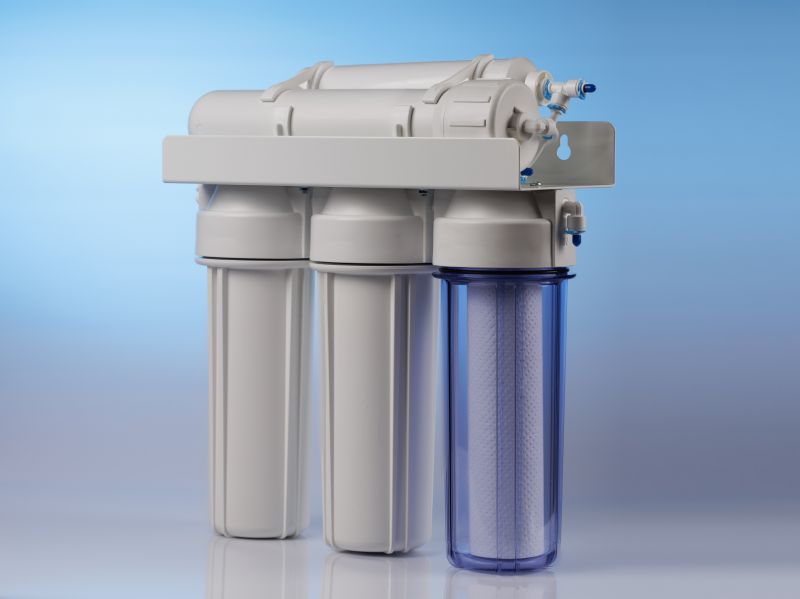
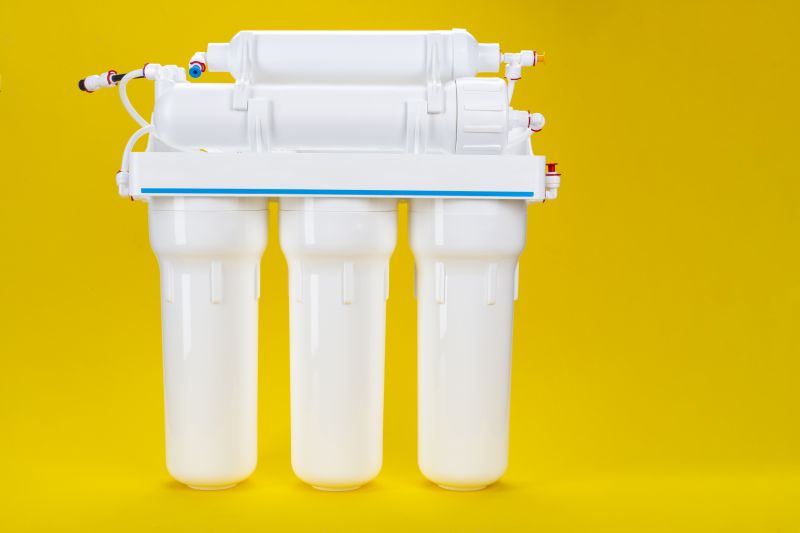
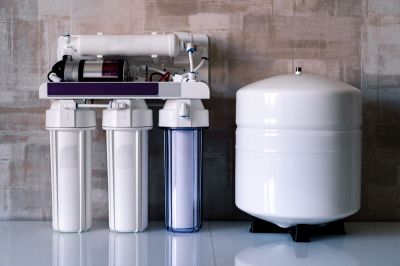
Recognizing when water needs professional treatment involves paying attention to both visible signs and personal experiences. Changes in water appearance, taste, or smell are common indicators, but it’s also important to consider the frequency or persistence of these issues. If simple cleaning or filter replacement doesn’t resolve the problem, or if problems recur after temporary fixes, it’s a sign that a more comprehensive treatment approach may be necessary. Local water treatment service providers can perform tests and inspections to diagnose underlying issues accurately. These professionals can then recommend and install systems such as filtration units, water softeners, or disinfection solutions, helping homeowners address water quality concerns effectively and ensure their household water is safe and reliable.
Water testing projects - These involve analyzing water samples to identify contaminants or impurities, a skill that aligns with assessing water quality for professional treatment needs.
Plumbing system inspections - Inspecting plumbing setups helps determine potential sources of water issues, making it relevant for diagnosing when treatment is necessary.
Filtration system installations - Installing or upgrading water filtration units requires understanding water quality concerns and planning appropriate treatment solutions.
Well water assessment projects - Evaluating private well systems for contamination or mineral levels directly relates to identifying when professional treatment is needed.
Water quality monitoring services - Continuous or periodic testing helps detect changes in water conditions that may signal the need for professional treatment.
Water purification system upgrades - Enhancing existing systems involves assessing water issues and implementing effective treatment options with the help of local service providers.
When evaluating professional water treatment services, it is important to consider the experience of local contractors with similar projects. Homeowners should inquire about how long a service provider has been working with water treatment systems and whether they have handled cases comparable to their specific concerns. An experienced contractor will typically have a deeper understanding of different water quality issues and be better equipped to recommend effective solutions. This familiarity can help ensure that the chosen service provider understands the nuances of water treatment and can deliver results that meet the homeowner’s needs.
Clear, written expectations are essential when comparing local service providers for water treatment. Homeowners should seek detailed information about the scope of work, the types of treatment options available, and what the process will involve. Transparent communication about what to expect helps prevent misunderstandings and ensures that both parties are aligned on project goals. Service providers who can articulate their approach in writing demonstrate professionalism and a commitment to clarity, making it easier for homeowners to evaluate whether the contractor’s services align with their concerns about water quality.
Reputable references and effective communication are key factors when choosing a local contractor for water treatment. Homeowners can ask for references from previous clients who had similar water quality issues to gain insight into the contractor’s reliability and the quality of their work. Additionally, good communication throughout the process-such as prompt responses to questions and willingness to explain treatment options-can make the experience smoother and more predictable. Service providers who prioritize clear dialogue and provide trustworthy references are more likely to deliver satisfactory results and foster confidence in their expertise.
Property owners often search for how to tell if your water needs professional treatment when they are planning practical projects around their homes and businesses. Local pros provide Professional Water Treatment services for everyday jobs and straightforward project options.
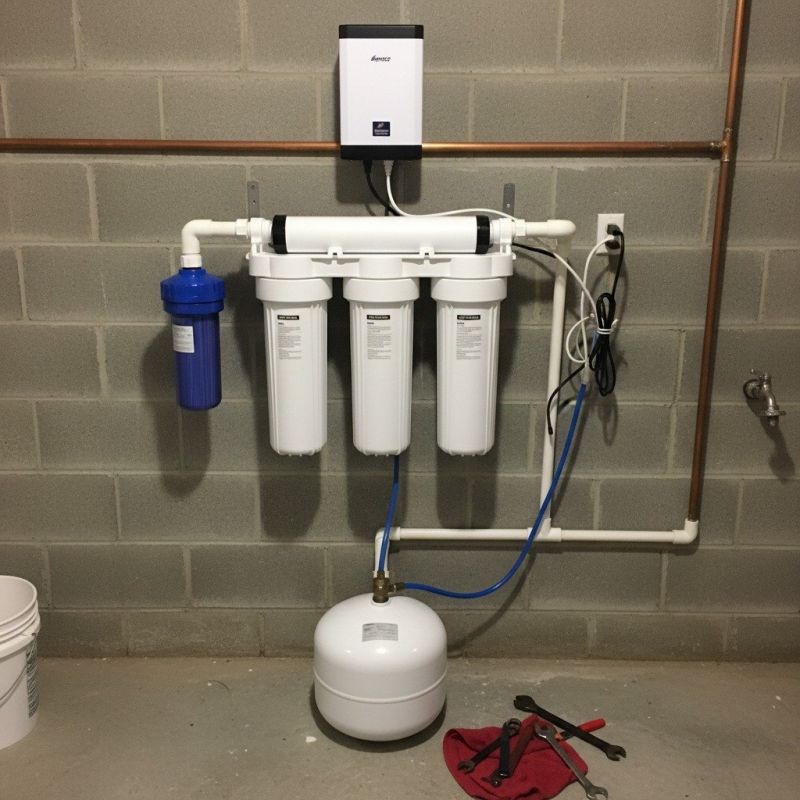
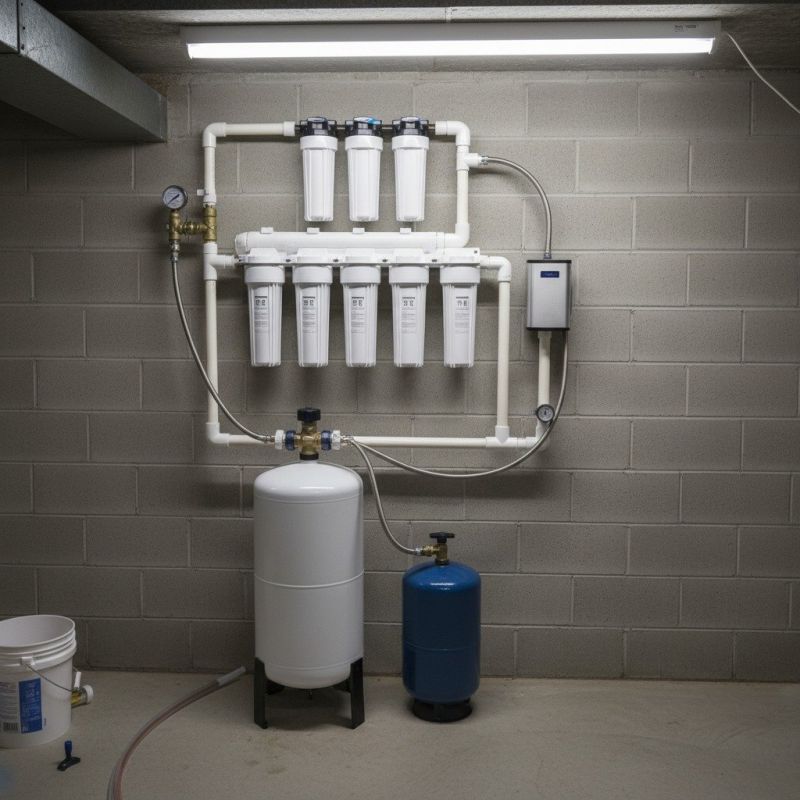
Property owners in the area might start to notice signs that their water could benefit from professional treatment, especially if they experience changes in taste, odor, or clarity. Common indicators include a persistent musty or chemical smell, discoloration such as a yellowish tint, or a strange taste that lingers after drinking or cooking. Additionally, if appliances like dishwashers or washing machines develop mineral buildup or fail to operate properly, it could signal issues with mineral content or other contaminants in the water supply. Recognizing these everyday signs can prompt property owners to seek advice from local contractors who specialize in water treatment.
Many property owners also consider professional water treatment services when they observe health-related concerns or unusual physical reactions after using their water. For instance, skin irritation, dry hair, or unexplained gastrointestinal discomfort might suggest the presence of impurities or harmful substances. Hard water deposits on fixtures and plumbing can also be a clue that mineral levels are high enough to warrant professional assessment and treatment. Local service providers can evaluate water quality and recommend appropriate solutions to ensure safe, clean water for everyday use.
What are common signs that water quality may be poor? Signs include unusual tastes or odors, discoloration, or the presence of particles in the water, which may indicate a need for professional treatment by local contractors.
How can I test my water to determine if it needs treatment? Home testing kits are available, but for comprehensive analysis and accurate results, it’s recommended to have local service providers perform professional water testing.
What health concerns might suggest my water requires professional treatment? If there are reports of gastrointestinal issues or if the water has a strange smell or taste, it could be a sign that contaminants are present, and local water treatment experts can assess and address these issues.
Are there specific contaminants that indicate a need for professional water treatment? Presence of lead, bacteria, nitrates, or high levels of minerals like iron or manganese can signal the need for treatment, which local contractors can help identify and remediate.
When should I consider professional water treatment services? If your water shows signs of discoloration, foul odor, or if testing reveals contaminants, consulting local water treatment specialists can help ensure water safety and quality.
Unusual water taste or smell - noticing a strange or foul odor in your water can indicate contamination that requires professional treatment by local contractors.
- if your water appears murky or contains particles, experts can assess and address the source of impurities.
Persistent staining or mineral buildup - constant stains on fixtures or mineral deposits may signal hard water issues needing specialized filtration systems.
Frequent plumbing issues or appliance problems - recurring clogs or damage to appliances can be caused by water quality, prompting a consultation with local water treatment specialists.
If you are thinking about how to tell if your water needs professional treatment for a property, this guide is meant to help you understand this topic, the typical project types, and how different options might fit your plans.
When you are ready, you can use the quote form on this page to share a few details about your project. From there, local pros can review the basics and follow up with options that match what you have in mind.